
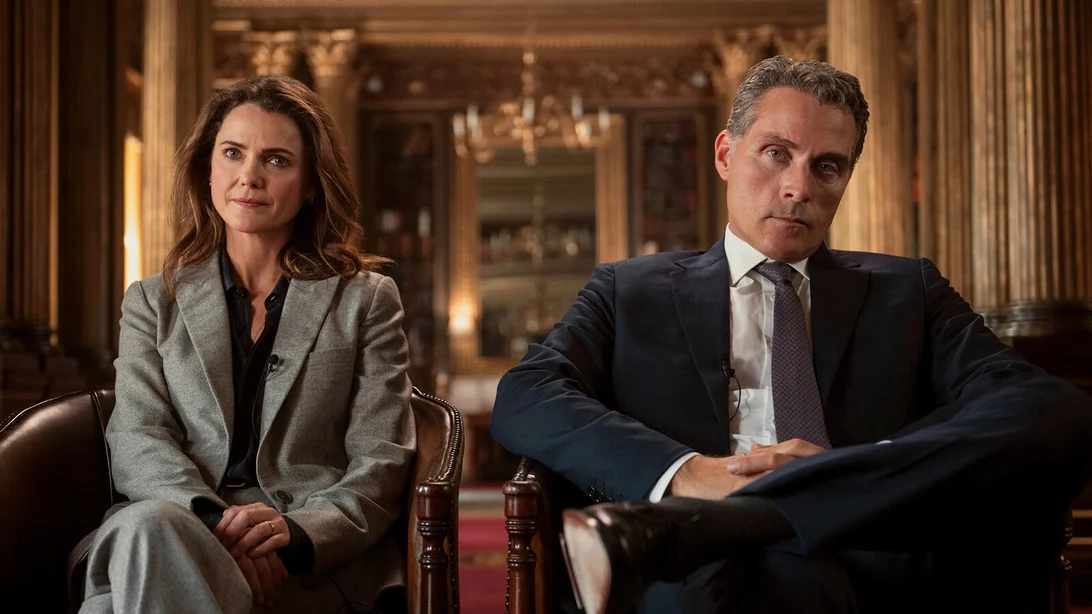
The Diplomat: Season 4 arrives with the confidence of a series that fully understands its strengths, delivering a season that feels larger, darker, and more emotionally devastating than anything that came before it. Picking up in the aftermath of the explosive political and personal betrayals that reshaped the balance of power, the story wastes no time plunging viewers back into a world where every conversation carries the potential to spark an international crisis. Kate Wyler, once again portrayed with remarkable intelligence and restraint by Keri Russell, finds herself trapped between duty, ambition, and a growing realization that the people closest to her may be more dangerous than any foreign adversary. The season opens with an atmosphere of uncertainty, where alliances are fractured, trust has become a luxury, and every diplomatic handshake conceals hidden motives. While previous seasons excelled at balancing political intrigue with personal drama, Season 4 pushes both elements to their breaking point, creating a relentless narrative that rarely allows viewers a moment to breathe.
One of the most compelling aspects of the season is the way it expands the geopolitical scope without losing sight of its deeply human core. International tensions are no longer distant headlines discussed in conference rooms; they become immediate threats capable of triggering global catastrophe. Every negotiation feels like a battle fought with words rather than weapons, and the writers demonstrate a remarkable understanding of how power truly operates behind closed doors. Rather than relying on sensational action sequences, the season creates suspense through conversations, strategic maneuvering, and psychological warfare. The result is a political thriller that often feels more intense than many action-driven dramas. As governments scramble to maintain fragile alliances and prevent emerging conflicts from spiraling out of control, Kate is forced to navigate a landscape where the line between patriotism and self-preservation becomes increasingly blurred.

The heart of the season, however, remains the volatile relationship between Kate and Hal Wyler. Rufus Sewell delivers perhaps his most fascinating performance yet, portraying a man whose brilliance is matched only by his unpredictability. Their marriage evolves into a battlefield every bit as dangerous as the diplomatic crises unfolding around them. Years of secrets, compromises, and conflicting ambitions finally erupt into the open, creating scenes that are emotionally explosive despite often taking place in quiet offices, private residences, or diplomatic receptions. What makes their dynamic so captivating is the fact that neither character is entirely right or wrong. Both possess admirable qualities and devastating flaws, forcing audiences to constantly reevaluate their loyalties. Every encounter between them crackles with tension, and their relationship becomes the emotional engine driving much of the season’s most unforgettable drama.
As political power shifts throughout Washington and London, new alliances emerge in unexpected places. Several supporting characters step into larger roles, transforming the series from a story centered primarily on Kate into a sprawling ensemble drama. The writers skillfully develop each character’s motivations, allowing even secondary figures to influence the direction of the narrative in meaningful ways. Ambition, loyalty, revenge, and survival become interconnected forces that drive nearly every major decision. No character feels entirely safe, and the constant uncertainty surrounding everyone’s intentions creates a level of suspense that persists throughout all eight episodes. The season excels at reminding viewers that political power is never static; it constantly changes hands, often in ways nobody anticipates.

What truly elevates Season 4 above many political dramas is its willingness to explore the psychological cost of leadership. Kate’s position places enormous pressure on every aspect of her life, and the series examines how prolonged exposure to crises gradually reshapes a person’s identity. The woman who once approached diplomacy with a clear moral framework now finds herself making compromises she never imagined possible. The burden of responsibility becomes increasingly visible as she struggles to reconcile her personal beliefs with the realities of international politics. These internal conflicts add extraordinary depth to the character, transforming her journey into something far more profound than a simple political thriller storyline.
Visually, the season is stunning. The production team captures the grandeur of embassies, government buildings, and international summits while simultaneously emphasizing the isolation experienced by those operating within these institutions. Elegant diplomatic events become stages for manipulation and betrayal. Luxurious environments conceal profound emotional emptiness. The cinematography frequently contrasts public displays of confidence with private moments of vulnerability, reinforcing the season’s central theme that power often comes at the expense of personal fulfillment. Every frame feels purposeful, helping establish an atmosphere of sophistication and unease that perfectly complements the story.

The writing remains one of the show’s greatest strengths. Dialogue is sharp, intelligent, and frequently layered with multiple meanings. Characters rarely say exactly what they mean, forcing viewers to pay close attention to subtle shifts in tone, body language, and implication. Conversations often function as strategic chess matches, where a seemingly harmless comment can alter the course of entire negotiations. The writers trust the audience’s intelligence, refusing to oversimplify complex political situations or emotional conflicts. As a result, the season feels remarkably mature, rewarding viewers who engage fully with its intricate storytelling.
Another standout feature is the season’s treatment of moral ambiguity. There are very few traditional heroes or villains here. Nearly every character operates within shades of gray, making choices that can be simultaneously understandable and troubling. Political leaders justify questionable actions in the name of national security. Diplomats manipulate allies to prevent greater disasters. Relationships are tested by competing priorities and impossible decisions. This nuanced approach adds realism and sophistication, preventing the story from falling into predictable good-versus-evil narratives. Instead, viewers are constantly challenged to consider how they might respond under similar circumstances.

The pacing deserves special praise as well. Unlike many contemporary dramas that rely heavily on constant cliffhangers, Season 4 carefully builds momentum through escalating tension. Early episodes focus on establishing new power dynamics and hidden agendas, while later installments gradually transform these tensions into full-scale political and personal crises. The progression feels organic, with each episode adding new layers to existing conflicts. By the time the final chapters arrive, the accumulated pressure becomes almost unbearable, creating a sense of inevitability that makes every revelation feel earned rather than manufactured.
Several episodes rank among the finest in the series’ history, particularly those that place Kate in situations where every available choice carries severe consequences. These moments highlight the show’s unique ability to merge large-scale geopolitical concerns with deeply personal stakes. A diplomatic failure might threaten international stability, but it can also destroy friendships, marriages, and careers. The season repeatedly demonstrates how public decisions can have devastating private repercussions, reinforcing the interconnected nature of politics and personal relationships.

The final stretch of episodes is especially remarkable. Long-simmering tensions finally explode, hidden agendas are exposed, and characters are forced to confront the consequences of choices made throughout the season. Rather than relying on spectacle alone, the climax succeeds because of the emotional investment built over dozens of hours of storytelling. Every confrontation carries significant weight. Every betrayal hurts. Every victory feels costly. The writers understand that true suspense comes not from wondering what will happen, but from fearing what the outcome will mean for characters audiences have come to care about.
By the time the season concludes, The Diplomat: Season 4 stands as one of the most gripping and sophisticated entries in the series. It successfully combines political intrigue, character-driven drama, emotional complexity, and razor-sharp writing into a season that feels both intellectually engaging and emotionally devastating. The story leaves audiences with difficult questions about power, loyalty, ambition, and sacrifice while simultaneously setting the stage for even greater conflicts ahead. Whether viewed as a political thriller, a character study, or an exploration of modern diplomacy, Season 4 delivers an unforgettable experience that proves why The Diplomat remains one of television’s most compelling dramas. Based on what has been reported about the upcoming season and its continuation of the major political fallout from Season 3, this chapter promises to raise the stakes higher than ever before.